Trusted by 10,000+ Families for Hearing & Speech Care
RCI-certified audiologists across multiple clinics in India. Free hearing screening, same-day fitting, and speech therapy for all ages.

What we diagnose, fit, and treat
Our certified audiologists use advanced diagnostic tools including BERA, OAE, and PTA to identify your exact hearing needs.
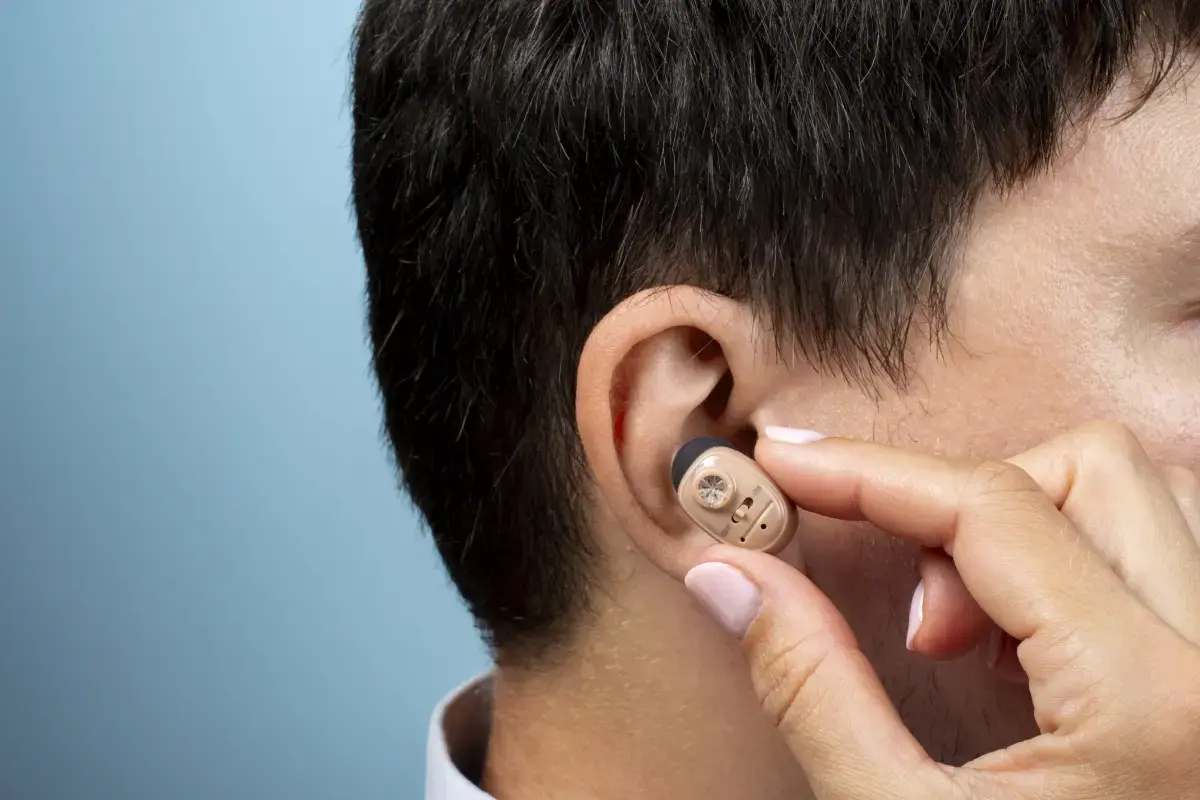
From invisible hearing aids to speech therapy, every solution is tailored to your lifestyle and comfort.

Comprehensive hearing tests
Full diagnostic audiometry including PTA, BERA, and OAE by certified audiologists

Customised hearing solutions
Hearing aids personalised to your hearing profile, lifestyle, and comfort

Continuous support & aftercare
Free follow-up adjustments, cleaning, and lifetime support after fitting

Promise of quality
Every device tested, calibrated, and backed by manufacturer warranty
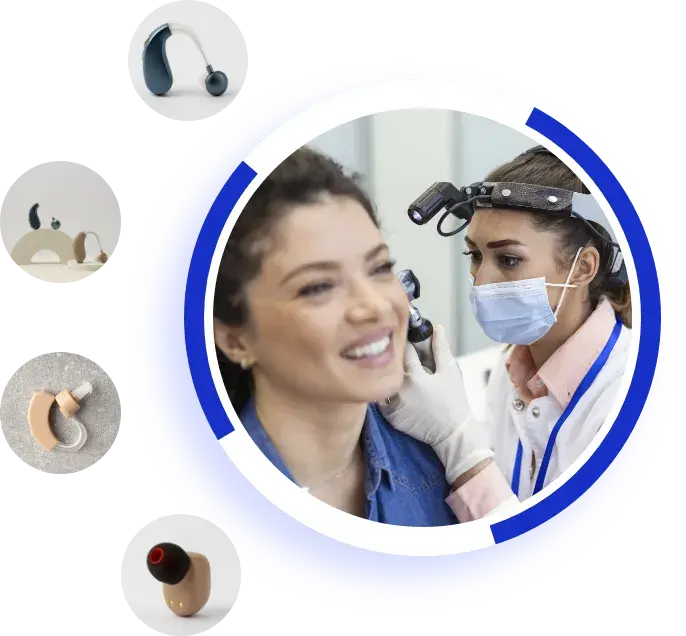
Variations of Hearing Aids
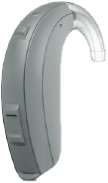
Behind-The-Ear (BTE)
Suitable for all ages with moderate to severe hearing loss.
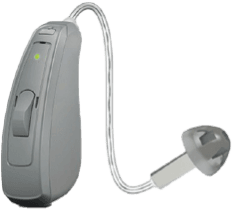
Receiver-In-Canal (RIC)
Sleek fit with clear natural sound and reduced feedback.
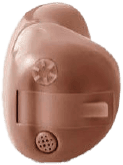
In-The-Canal (ITC)
Custom molded and partially visible for a comfortable fit.
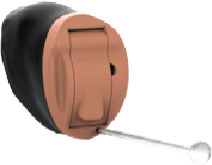
Invisible-In-Canal (IIC)
Ultra-discreet design, hidden deep inside the ear canal.
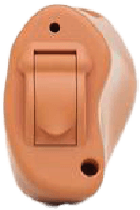
Completely-In-Canal (CIC)
Virtually invisible with enhanced speech clarity.
Not all hearing loss is the same
Hearing loss can be conductive, sensorineural, mixed, or auditory neuropathy — and it affects people of every age. At Atulya Hearing, our RCI-certified audiologists use clinical-grade protocols including Pure Tone Audiometry (PTA), Otoacoustic Emissions (OAE), BERA, and impedance testing to pinpoint the type and degree of loss accurately. Early diagnosis leads to significantly better outcomes, which is why we offer a free hearing screening at every clinic. Book yours today and take the first step toward clearer hearing.
Speech Assessment & Therapy
Clear communication is crucial for confidence and development. Our speech experts evaluate and treat conditions related to speech, voice, language, and fluency in both children and adults.
Speech Assessment
A detailed examination to identify:
Speech clarity & pronunciation issues
Difficulty producing sounds clearly, often affecting everyday conversation
Stuttering or fluency interruptions
Repetitions, prolongations, or blocks that disrupt the natural flow of speech
Voice tone & pitch concerns
Hoarseness, breathiness, or pitch problems affecting vocal quality
Language delay in children
Slower-than-expected development of vocabulary, sentence formation, or comprehension
Communication challenges in adults
Post-stroke, neurological, and other conditions
Literacy or articulation issues
Challenges with reading, writing, or producing specific speech sounds accurately
Our Assessment Process
Standardized Tools
We use evidence-based assessment tools and clinical expertise
Interactive Methods
Engaging evaluations that work with your comfort level
Customized Plan
Personalized therapy plan tailored to your specific needs
Speech Therapy
Our therapy sessions deliver structured sessions that target your specific speech or language challenge — with measurable progress at every step.
Personalized Sessions
Sessions are conducted one-on-one using scientifically backed methods and interactive learning tools tailored to your specific needs and goals.
Faster Results
Research shows that starting speech therapy early can cut treatment duration by up to half. Our therapists work with children as young as 18 months to build clear speech patterns before habits set in.
Book a Speech Consultation Today
Take the first step toward clearer communication and greater confidence with our expert speech therapists.
Schedule Your ConsultationTake a Free Online Hearing Test
Assess your hearing in just 3 minutes with our clinically validated online screening tool.
Get instant results and personalized recommendations from our audiologists.
What our patients say
Frequently Asked Questions
Find answers to common questions about hearing aids, audiometry tests, speech therapy, and our services.